
Call us now :08045476828
 Send Inquiry
 Send Inquiry
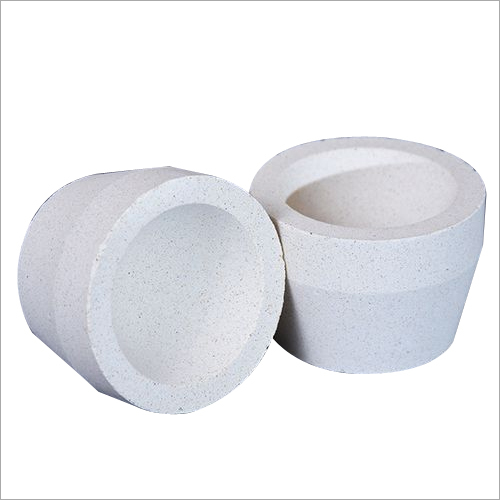
Magnesia Cupels
MOQ : 5 Metric Tons
Magnesia Cupels Specification
- Hardness (%)
- Approx. 50 65 (Shore D)
- Density
- 2.3 Gram per cubic centimeter(g/cm3)
- Usage & Applications
- Fire assay in mining, laboratories for separation of precious metals
- Water Absorption
- 7% 14%
- Melting Point
- 1700C - 2000C (approx)
- Form
- Solid, molded cup
- Surface Finish
- Smooth, slightly porous
- Purity(%)
- 97% 99%
- Application
- Gold and silver assay, precious metal analysis
- Chemical Composition
- Over 97% MgO
- Types of Refractories
- Basic Refractory
- Shape
- Cupel (dish-like)
- Porosity
- High (absorbent for litharge/lead oxide)
- Dimensional Stability
- Excellent at high temps
- Strength
- High mechanical strength
- Specific Gravity
- 2.3 2.5
- Thermal Conductivity
- Low
- Color
- White/Grey
- Packaging
- Standard export packaging or as required
- Absorbency
- Excellent absorption of litharge and other fluxes
- Temperature Resistance
- Withstands thermal shock and repeated heating
- Bulk Density
- Approx. 2.2 g/cc
- Storage Condition
- Store in dry, moisture-free area
- Shelf Life
- 2 years under proper storage
- Customization
- Available as per requirement
- Capacity
- Typically 20 gm and 30 gm (custom sizes available)
- Lead Removal Efficiency
- 99% and above
Magnesia Cupels Trade Information
- Minimum Order Quantity
- 5 Metric Tons
- Supply Ability
- 50 Metric Tons Per Month
- Delivery Time
- 45 Days
- Main Domestic Market
- All India
About Magnesia Cupels
Size 1 Magnesia Cupels are widely praised and demanded due to their excellent strength and workability. These are mainly utilized for the purification of metals like gold and silver by absorbing the lead impurities present in it. These are highly efficient and does not crack or break over the course of time. Our Size 1 Magnesia Cupels are highly reliable and affordable.
Other Detail :-
Application : Industrial;,Commercial
Color: Milky White
Material: Magnesia
Mgo Content: 99%
Size: Customize
Features :-
- Portable
- Less Maintenance
- Durable
Exceptional Thermal Resistance
Magnesia Cupels are engineered to resist extreme temperatures, with a melting point ranging from 1700C to 2000C. Their ability to withstand thermal shock ensures dependable performance during repeated heating cycles in metallurgical assays.
Superior Absorbency and Purity
With a high absorbency rate for litharge and other fluxes, these cupels facilitate effective separation of precious metals. Their chemical composition, containing over 97% pure MgO, contributes to reliable results and efficient lead removal.
Custom Sizes and Versatile Applications
Available in typical capacities of 20 gm and 30 gm, Magnesia Cupels can be customized for various requirements. They serve fire assays in mining laboratories, supporting accurate gold and silver analysis for distributors, exporters, and manufacturers.
FAQs of Magnesia Cupels:
Q: How are Magnesia Cupels used in the fire assay process for gold and silver analysis?
A: During the fire assay, Magnesia Cupels absorb litharge and other fluxes, separating lead from precious metals like gold and silver. Their high absorbency and durability help ensure accurate results during the assaying procedure.Q: What are the storage requirements for maintaining the shelf life of Magnesia Cupels?
A: Magnesia Cupels should be stored in dry, moisture-free areas to preserve their shelf life, which is two years under proper storage conditions. This prevents degradation and maintains their absorbency and structural integrity.Q: When is it beneficial to choose Magnesia Cupels with custom sizes for laboratory use?
A: Custom sizes are advantageous for accommodating specific sample quantities or unique furnace configurations in various laboratory and mining settings, offering flexibility for different testing protocols and requirements.Q: Where are Magnesia Cupels commonly applied beyond precious metal analysis?
A: Apart from gold and silver assay, Magnesia Cupels are utilized in mining laboratories and metallurgical facilities for separation processes involving precious metals, benefitting exporters, distributors, and manufacturers.Q: What process enables Magnesia Cupels to achieve high lead removal efficiency?
A: The high porosity and purity of Magnesia Cupels allow efficient absorption of litharge, enabling them to remove lead with 99% or higher efficiency during fire assay operations.Q: How does the chemical composition of Magnesia Cupels influence their performance?
A: Containing over 97% MgO, their chemical stability and basic refractory nature grant high mechanical strength, low thermal conductivity, and excellent resistance to thermal shock and flux absorption, supporting reliable assay outcomes.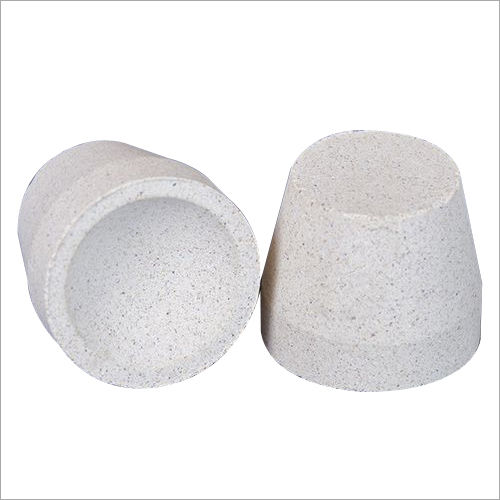
Tell us about your requirement

Price:
Quantity
Select Unit
- 50
- 100
- 200
- 250
- 500
- 1000+
Additional detail
Mobile number
Email

More Products in Magnesia Cupels Category
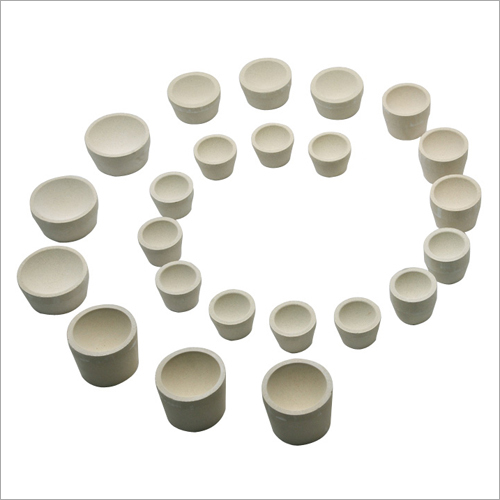
Magnesia Cupels
Minimum Order Quantity : 1 Metric Ton
Strength : High Compressive Strength
Application : Gold and Silver Assaying, Fire Assay
Chemical Composition : MgO 98%, SiO2 <1%
Purity(%) : 98 99%
Dimensional Stability : Other, Excellent at High Temperatures
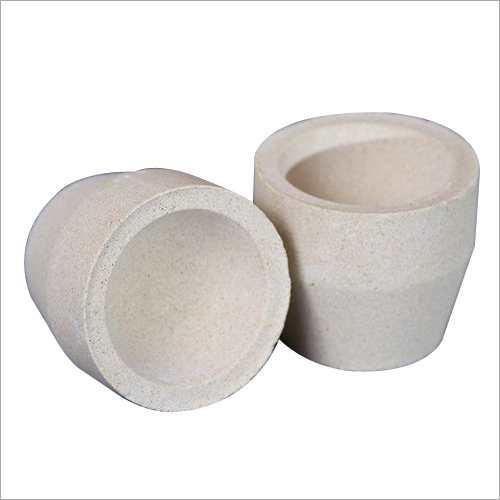
7AS Magnesia Cupels
Minimum Order Quantity : 5 Metric Tons
Strength : High crushing and thermal strength
Application : Precious metal assay gold and silver refining
Chemical Composition : MgO > 95%
Purity(%) : Above 95%
Dimensional Stability : Other, Excellent under thermal cycling
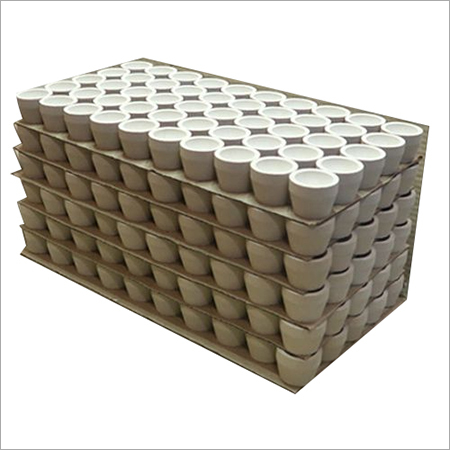
Magnesia Refractory Bullion Cupels
Minimum Order Quantity : 5 Metric Tons
Strength : High mechanical strength
Application : Precious metal assay, Bullion Refining, Laboratory Testing
Chemical Composition : MgO (Magnesia) >97%, trace SiO2, CaO
Purity(%) : >97% MgO
Dimensional Stability : Other, Excellent under high temperature
8C Magnesia Cupels
Minimum Order Quantity : 5 Metric Tons
Strength : High mechanical strength, suitable for hightemperature cupellation
Application : Precious metal assay, gold and silver refining laboratories
Chemical Composition : MgO > 98%
Purity(%) : 98 99%
Dimensional Stability : Other, Excellent, maintains shape at assay temperatures

 Send Inquiry

252/28, N.M Arcade, 1st Floor, Opp. ARRS Multiplex, Meyyanur By- Pass Road,Salem - 636009, Tamil Nadu, India

Mr Prasad Shah
(Proprietor)
Mobile :08045476828
 Send Inquiry
 Send SMS
 Call Me Free
Developed and Managed by Infocom Network Private Limited.
