
Call us now :08045476828
 Send Inquiry
 Send Inquiry
2HB Magnesia Bullion Blocks
MOQ : 5 Metric Tons
2HB Magnesia Bullion Blocks Specification
- Water Absorption
- <0.5%
- Purity(%)
- > 85%
- Density
- 3.15 Gram per cubic centimeter(g/cm3)
- Chemical Composition
- MgO (Magnesium Oxide) > 85%
- Form
- Solid Block
- Usage & Applications
- Lining of steel furnaces, non-ferrous metal industry, glass industry
- Hardness (%)
- 72 - 75 (Shore D)
- Application
- Steel industry for EAF, Ladle, & Converter lining
- Melting Point
- 2800°C (approx)
- Surface Finish
- Smooth
- Types of Refractories
- Basic Refractory
- Shape
- Rectangular Block
- Porosity
- 14-18%
- Dimensional Stability
- Excellent at high temperatures
- Strength
- Cold Crushing Strength > 40 MPa
- Specific Gravity
- ~3.0 - 3.15 g/cm³
- Thermal Conductivity
- High, 5.5-6.0 W/m.K at 1000°C
- Color
- Light Grey
- Size Range
- Custom sizes available upon request
- Working Temperature
- Up to 1700C (continuous)
- Resistance to Slag Attack
- Excellent against basic slag
- Thermal Shock Resistance
- Superior
- Storage
- Store in dry place, avoid contact with moisture
- Packaging
- Wooden pallet with plastic film wrap
2HB Magnesia Bullion Blocks Trade Information
- Minimum Order Quantity
- 5 Metric Tons
- Supply Ability
- 50 Metric Tons Per Month
- Delivery Time
- 45 Days
- Sample Available
- Yes
- Sample Policy
- Contact us for information regarding our sample policy
- Main Domestic Market
- All India
About 2HB Magnesia Bullion Blocks
Block 12HB Magnesia Cupels are specifically designed for the purification and analyzation of metals, ores, ashes, scraps, electrolyte slimes and many more. It is divided into 12 compartments that makes the process fast and convenient. Also, these Block 12HB Magnesia Cupels are extremely durable, portable and available in diverse range of specifications.
Other Detail :
Application : Industrial;,Commercial
Color: Milky White
Material: Magnesia
Mgo Content: 99%
Size: Customize
Unmatched Resistance to Extreme Environments
Engineered to withstand vigorous slag attack and sustained exposure to high temperatures, 2HB Magnesia Bullion Blocks offer robust endurance in steelmaking and other metallurgical operations. Their exceptional cold crushing strength, low porosity, and superior dimensional stability minimize breakdown, ensuring consistent furnace lining performance and reduced downtime.
Customizable Design and Certified Quality
Choose from a variety of dimensions, surface finishes, and edge types to fit specific furnace needs. Each block is ISO 9001:2015 certified, promising stringent quality controls and reliable consistency. Packaged on wooden pallets with protective film, they arrive in optimal condition for immediate storage and use.
FAQs of 2HB Magnesia Bullion Blocks:
Q: How are 2HB Magnesia Bullion Blocks used in the steel industry?
A: These bullions serve as high-grade lining material for electric arc furnaces (EAFs), ladles, and converters, offering exceptional protection against slag and high heat during steelmaking processes.Q: What benefits do 2HB Magnesia Bullion Blocks provide over other refractory types?
A: With >85% MgO content, they deliver superior resistance to basic slag, better thermal shock resistance, and excellent mechanical strength, extending furnace life and reducing maintenance.Q: When should I choose straight or chamfered edge types?
A: Select straight edges for tight-fitting installations and chamfered edges where smoother transitions and easier alignment are desired during block assembly in linings.Q: Where should these blocks be stored before installation?
A: Store the blocks in a dry area and prevent exposure to moisture to preserve their integrity and performance characteristics.Q: What is the recommended process for installing these refractory blocks?
A: Ensure the installation area is clean and dry. Arrange the blocks according to the customized design, fitting them tightly and using appropriate refractory mortar if specified for the application.Q: What industries can benefit from these magnesia bullion blocks?
A: Primarily steel industries, but also non-ferrous metallurgy and the glass industry, can use these blocks wherever protection from high temperatures and slag attack is critical.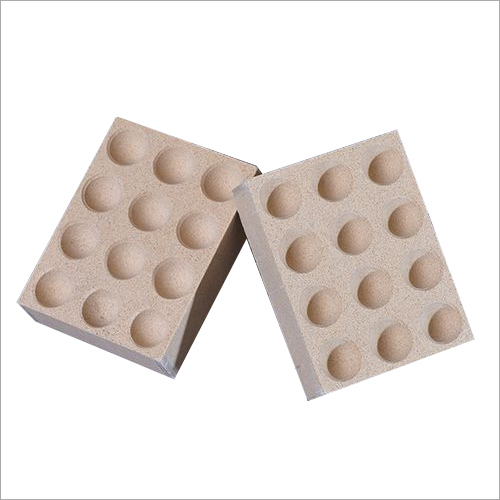
Tell us about your requirement

Price:
Quantity
Select Unit
- 50
- 100
- 200
- 250
- 500
- 1000+
Additional detail
Mobile number
Email

More Products in Magnesia Bullion Blocks Category
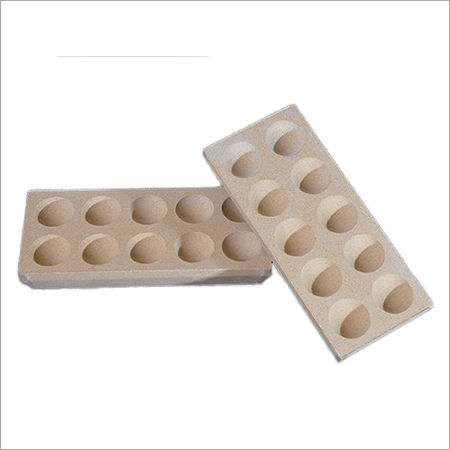
10HB Magnesia Bullion Blocks
Minimum Order Quantity : 5 Metric Tons
Specific Gravity : 3.2 3.4 g/cm
Melting Point : >2800 C
Surface Finish : Smooth Surface, Precisely Finished Edges
Color : Grayish White
Chemical Composition : MgO: 9193%, CaO: 24%, SiO2: <2%, Fe2O3: <0.4%
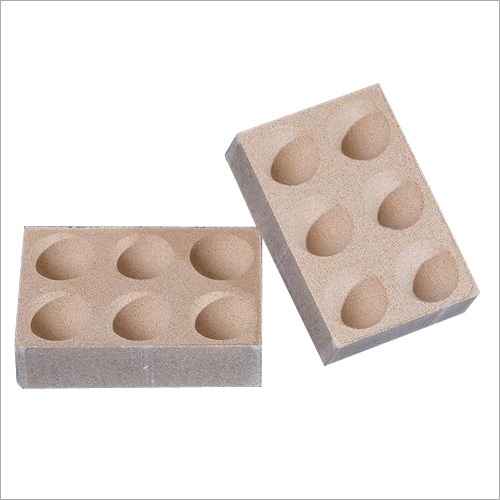
6HB Magnesia Bullion Blocks
Minimum Order Quantity : 5 Metric Tons
Specific Gravity : 3.45 3.50
Melting Point : 2800C (approx.)
Surface Finish : Smooth
Color : Grey/Light Brown
Chemical Composition : High Purity Magnesia
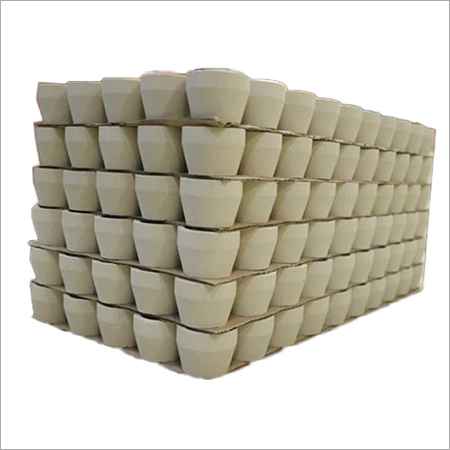
Magnesia Refractory Bullion Blocks
Minimum Order Quantity : 5 Metric Tons
Specific Gravity : 3.3 3.5 g/cm
Melting Point : >2800C
Surface Finish : Smooth
Color : Light Brown to Offwhite
Chemical Composition : Magnesia (MgO) Based
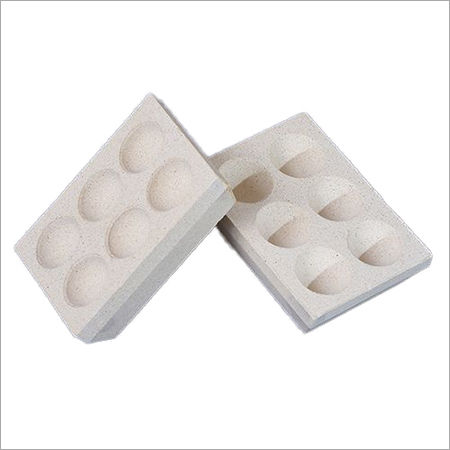
6HB Magnesia Cupels Block
Minimum Order Quantity : 5 Metric Tons
Specific Gravity : 2.9 3.1 g/cm
Melting Point : 2800C (approx)
Surface Finish : Smooth
Color : White / Off White
Chemical Composition : Magnesium Oxide (MgO), minor Calcium Oxide (CaO)

 Send Inquiry

252/28, N.M Arcade, 1st Floor, Opp. ARRS Multiplex, Meyyanur By- Pass Road,Salem - 636009, Tamil Nadu, India

Mr Prasad Shah
(Proprietor)
Mobile :08045476828
 Send Inquiry
 Send SMS
Developed and Managed by Infocom Network Private Limited.
